A War That Could Not Be Won Twice
By the summer of 1943, Nazi Germany had already lost something it could never recover: momentum. The catastrophic defeat at Stalingrad the previous winter had destroyed an entire German army — over 300,000 men killed, captured, or missing. The myth of German invincibility, carefully maintained since 1939, had cracked in the frozen rubble of a Soviet city. Hitler desperately needed a victory. Not just a tactical success, but a statement — proof that the Wehrmacht could still dominate the Eastern Front.
The target he chose was a large westward bulge in the Soviet defensive line near the city of Kursk, in southwestern Russia. The plan, codenamed Operation Citadel, was straightforward in theory: two powerful German army groups would attack from the north and south simultaneously, pinching off the bulge and trapping the Soviet forces inside. If it worked, Germany would eliminate hundreds of thousands of Red Army soldiers and shorten its defensive line. It was the kind of maneuver that had worked brilliantly in 1941 and 1942. But this was 1943, and the Soviet Union had learned.

The Soviets Were Ready
What made Kursk genuinely different from earlier battles was intelligence. Through a network of spies — including the famous Lucy spy ring operating from Switzerland — the Soviet high command, known as the Stavka, received detailed information about German plans weeks before the offensive began. Marshal Georgy Zhukov, the most capable Soviet commander of the war, argued strongly against a Soviet preemptive strike. Instead, he recommended something unusual: let the Germans attack first, exhaust themselves against prepared defenses, and then counterattack.
Stalin, who had previously overruled his generals with disastrous consequences, agreed.
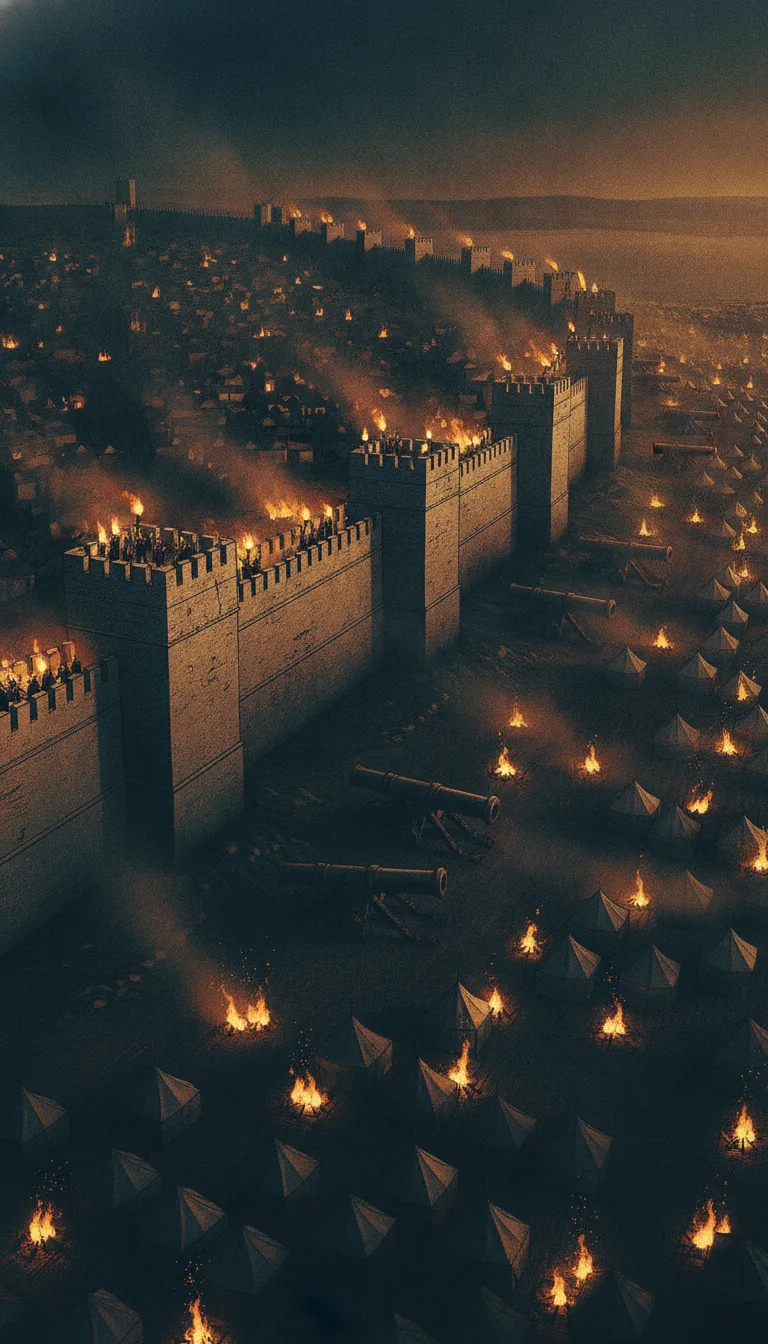
What followed was one of the most extraordinary feats of military engineering in history. Soviet soldiers and civilian workers dug approximately 3,000 miles of trenches, laid nearly a million landmines, constructed layered anti-tank barriers, and positioned artillery in carefully calculated kill zones. The Kursk salient was transformed into a trap wearing the shape of a target.

Steel Against Steel
The German offensive launched on July 5th, 1943, after Hitler had already delayed it several months to wait for newer tank models, particularly the Panther and the heavy Tiger. Those delays gave the Soviets even more time to prepare. From the first day, German forces encountered a defense unlike anything they had faced before. Every kilometer cost them men and machines. The northern German thrust, led by General Walter Model, barely advanced at all. The southern thrust, under Field Marshal Erich von Manstein, made more progress but at horrifying cost.
The battle reached its most dramatic moment on July 12th, near the town of Prokhorovka, where Soviet tank forces directly counterattacked a German armored spearhead. The resulting engagement involved roughly 600 to 900 tanks on both sides in a single concentrated area. Accounts from survivors describe a chaos of burning metal, black smoke, and point-blank fire — tanks so close together that their guns could not even lower to aim. The losses were severe on both sides, but the German advance was stopped.
That same day, Hitler received news of the Allied landings in Sicily. Fearing collapse in Italy, he ordered forces withdrawn from Kursk. The offensive was over.

Why Kursk Changed Everything
The German military never launched another major strategic offensive on the Eastern Front. From the summer of 1943 onward, the war in the East became a long, grinding German retreat — from Kursk to Kyiv, from Kyiv toward Warsaw, from Warsaw toward Berlin itself. The Soviets, now holding the initiative, launched massive counteroffensives that liberated thousands of miles of occupied territory.
Kursk also matters because of what it reveals about the nature of the war Hitler had started. The Nazi empire was built on the idea of permanent expansion — that military genius and racial ideology could overcome any obstacle. Kursk proved otherwise. Careful preparation, industrial capacity, and the willingness of an entire society to endure suffering could defeat even a formidable attacker.
Roughly six million soldiers fought in and around the Kursk region during the summer of 1943. Behind each of those soldiers were families, homes, fears, and futures — most of them altered forever. Empires often look inevitable in hindsight. Their endings, it turns out, rarely are.